DIY AC Installation: Advice and Steps
Setting up a/c unit might be a daunting task, yet with adequate support, the process can be a fulfilling do-it-yourself endeavor. Whether you are upgrading an existing setup, completely replacing it, or installing one for the first time in a new construction, grasping the details of air conditioning installation is vital. This detailed manual will guide you through every stage of the process, beginning with selecting the appropriate air conditioning unit for your area to organizing your space for installation.
In this article, we aim to cover key points such as how to recognize when it's time to invest in a new unit, how central air systems differ from ductless units, and the common mistakes to avoid during the installation process. Keeping energy efficiency in consideration, we will discuss smart thermostats and the latest innovations in air conditioning technology that can help lower your utility bills. Regardless of whether you want help from a professional or handling the installation alone, we wish to furnish you with the knowledge and guidance you require for achieving successful air conditioning installation.
Choosing the Proper Air Conditioner
Choosing the best air conditioner for your home is crucial for preserving comfort and efficiency. air conditioning installation Epsom by assessing your temperature control needs based on the size of your space. In general, more expansive areas demand units with greater cooling power, rated in BTUs. It's vital to refer to sizing guidelines to find out the appropriate capacity. An air conditioner that is undersized will have difficulty to cool your home, while one that is oversized can result in wastage and higher energy expenses.
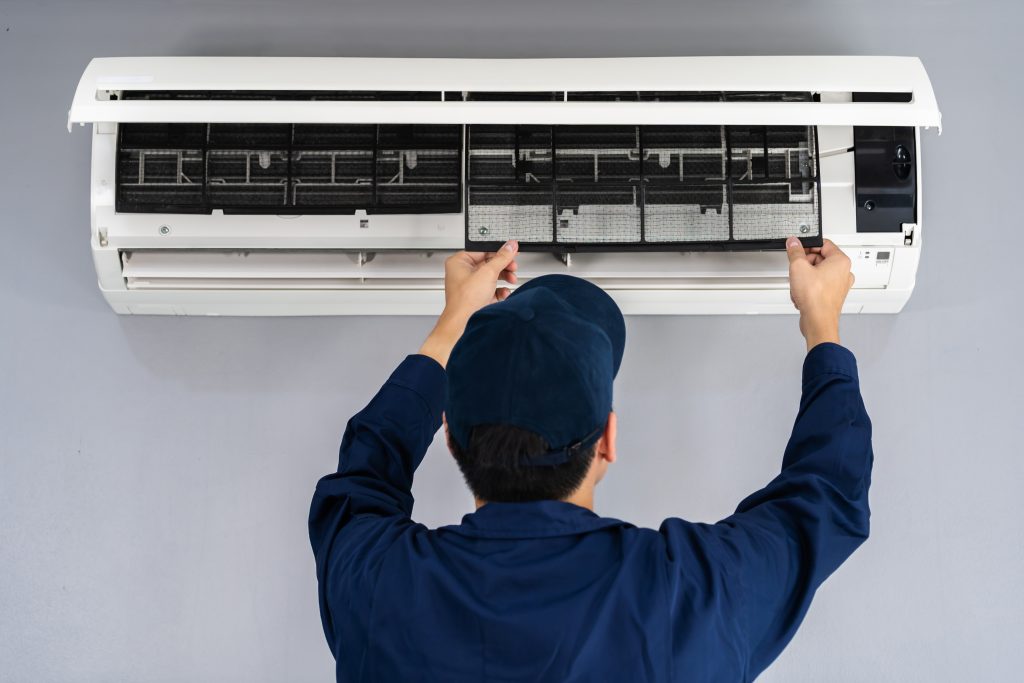
Think about the style of air conditioning system that most fits your daily routine and layout. Ducted air systems are best for more spacious homes with existing ducts, offering whole-house cooling smoothly. On the other hand, ductless systems deliver versatility and are perfect for homes without ducts or for targeted cooling in specific rooms. Evaluate the advantages and disadvantages of each system to find the best match for your requirements.
Energy efficiency is another critical factor in your decision-making process. Seek out models with superior SEER ratings, as they are built to require minimal energy while yet offering ideal cooling effectiveness. Investing in energy-efficient systems can result in considerable savings on your energy expenses over the years. Be sure to also consider additional features such as smart thermostats and atmosphere enhancements that can additionally elevate your indoor air quality.
Mounting Procedure Overview
The climate control mounting process typically commences with a thorough assessment of your home and its temperature requirements. A professional technician will analyze your rooms, measuring size, and taking into account factors such as thermal insulation and light exposure. This evaluation helps determine the correct capacity and type of the air conditioning system that will adequately cool your home while maximizing efficiency.
Once you have picked the suitable system, the installation team will prepare your residence for the new installation. This readiness may include removing any obstructive obstacles from the setup site, ensuring unobstructed access to required wired and pipe connections, and identifying the best position for the inside and outside components. Proper preparation is essential to prevent issues during the mounting procedure and to ensure that everything works effectively once the unit is in site.
The final part in the setup procedure consists of the actual setup of the climate control installation. The technicians will mount the interior and outside components, attach them to the power network, and make certain that all ductwork or refrigerant lines are appropriately configured. Once the setup is finished, they will conduct a sequence of checks to confirm that the unit operates as intended and meets the set criteria. After comprehensive evaluation, you will get an summary of how to manage and maintain your new AC unit efficiently.
Cost and Funding Options
The cost of air conditioning installation can differ significantly based on several factors, including the type of system, the size of your house, and regional labor costs. On average, homeowners can anticipate to pay anywhere from three thousand to seven thousand dollars for a traditional air conditioning setup, while mini-split systems can fluctuate from two thousand to $5,000 dollars. Additionally, larger or complicated systems may incur higher installation fees. It is crucial to get various estimates from reputable contractors to ensure you are getting the best most advantageous rate for your installation.
Funding possibilities are available for those who believe the upfront costs are too high. Many HVAC companies provide financing plans, allowing clients to pay for their brand new air conditioning system over several months or years. Additionally, some government programs and incentives provide refunds or tax credits for installing energy-efficient systems, which can help reduce the initial investment. Always ask about financing plans during your meeting, as this can alleviate your budgeting worries.
Although the expenditure in a brand new air conditioning system may seem overwhelming at first, considering the long-term savings in energy efficiency and enhanced comfort can make it worthwhile. Regular upkeep and choosing a system with a high SEER rating can lead to reduced utility bills, further justifying the initial expense. By taking advantage of financing options and government incentives, property owners can make air conditioning installation more accessible and doable.