Heating Innovations: Why You Must Consider a Heat Pump Option Now
Since homeowners seek more eco-friendly and efficient ways to heat and chill their living spaces, heat pumps are rapidly emerging as a top solution for modern heating requirements. These versatile systems not only deliver coziness throughout the year but also contribute to considerable energy efficiency and a reduced carbon footprint. Whether you are planning a remodel or simply checking out options for the long term, the benefits of heat pumps are meriting your focus now.
In the following discussion, we will delve into all the details about heat pumps, such as how they stack up with old-style HVAC technologies, their effectiveness, and the top tips for installation and upkeep. With growing interest in green options, understanding heat pumps and their advantages can aid you to decide wisely that improve your home’s well-being and performance for a long time ahead.
Grasping Heat Pumps
Heat transfer systems are advanced heating & cooling solutions that operate by shifting thermal energy rather than producing it. They can extract heat from the outside air, soil, or bodies of water, based on the kind of system. This technology makes them notably effective, as they can provide up to three times the amount of energy in heating or cooling compared to the electricity they require. This efficiency is a major reason homeowners are evaluating heat pumps for their power needs.
There are multiple categories of heat pumps, including air-to-air, geothermal, and water source. Air source heat pumps are the most widely used, extracting heat from the outside air even in cooler temperatures, while ground source heat pumps utilize the stable temperatures found beneath the surface for greater efficiency. Homeowners can select a system based on criteria like climate, space availability, and financial constraints. Understanding these choices is vital for making an educated choice about which type of heat pump best suits your home.
In addition to efficiency, heat pumps offer major environmental benefits. They produce less pollutants compared to conventional HVAC systems that utilize non-renewable energy sources. This environmentally friendly operation is attractive to increasingly eco-conscious consumers who want to minimize their carbon footprint. By switching to a heat pump, homeowners can help promote a more environmentally friendly future while enjoying greater comfort and cost savings all year long.
Benefits of Heat Pump Systems
Heating pumps offer a significant efficiency benefit over traditional HVAC systems, making them an increasingly popular choice for homeowners. Using power to transfer heat rather than generate it, heat pumps can provide up to triple more thermal output than the electricity they consume. This high efficiency not only translates to reduced energy bills but also minimizes greenhouse gas emissions, helping create a more eco-friendly living environment. As energy costs rise, the financial benefits of these systems become even more appealing, allowing homeowners to save significantly over the lifespan of the system.
Another significant benefit of heat pumps is their flexibility in providing both warmth and cooling for the home. In the winter, they extract warmth from the outside air or ground and transfer it inside, while in the hot season, they switch the process, acting as an AC unit. Heat Pumps Leeds Yorkshire means that residents can enjoy year-round comfort without the need for individual heating and cooling units. Additionally, advancements in technology have enhanced the performance of these systems in chilly climates, making them a practical option for regions with extreme winters, such as Colorado.
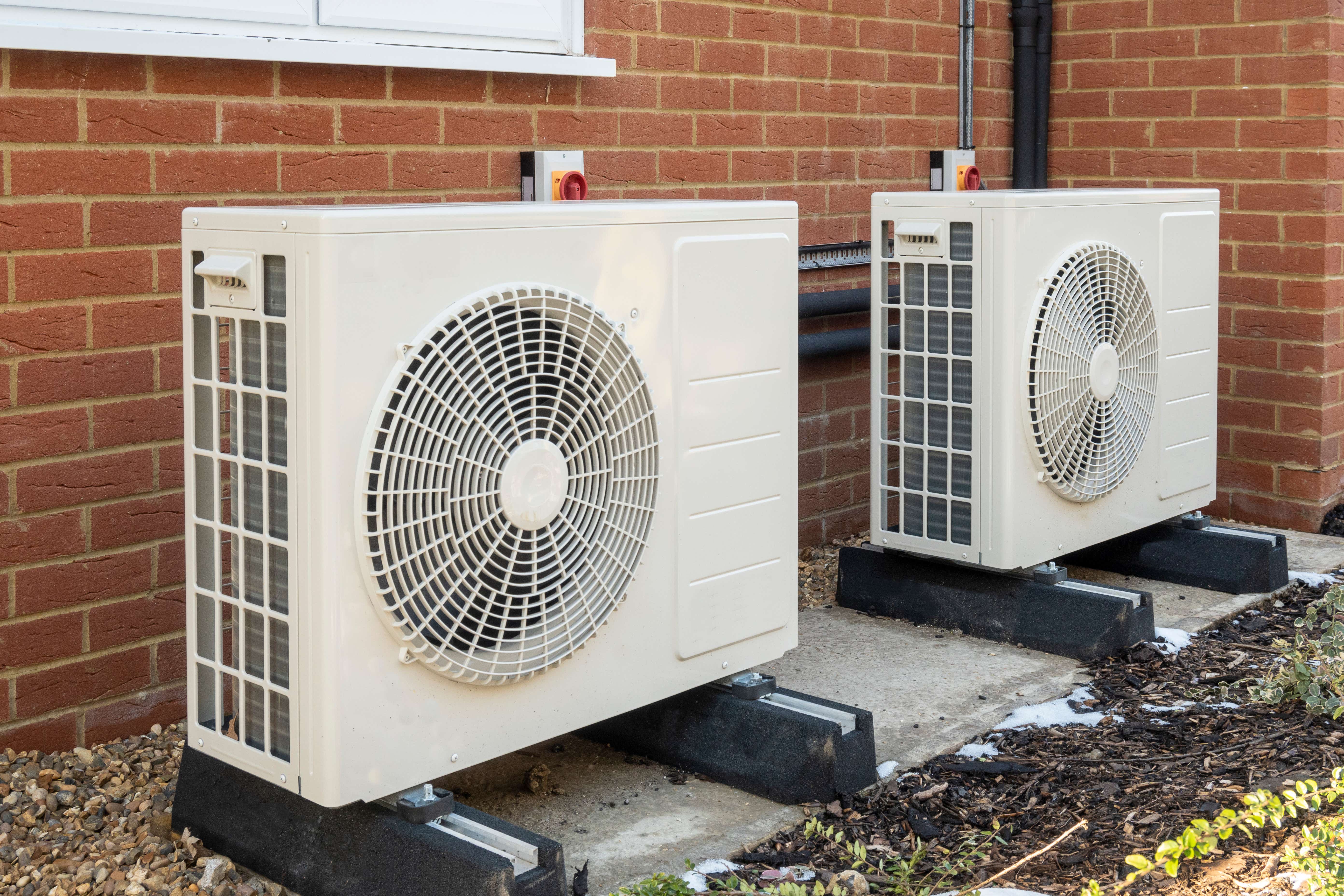
Installing a heat pump can also enhance indoor air quality and coziness. Many systems include advanced filtration capabilities that help eliminate dust, allergens, and other pollutants from the air, creating a cleaner living environment. Moreover, the even heating and cooling provided by these systems can reduce hot and cold spots in the home, providing uniform temperatures across the space. With the added benefits of low maintenance and possible rebates or tax credits, switching to a heating system is a decision that can lead to a more enjoyable, powerful, and sustainable home.
Implementation and Care
Implementing a thermal pump can be a clear-cut task, but it requires thoughtful planning to ensure maximum efficiency. Homeowners should begin by assessing their particular climate control necessities, which can be shaped by factors such as residence dimensions, the quality of insulation, and regional weather. Consulting with a trustworthy heat pump contractor is crucial; they can provide a thorough evaluation and advise the right dimensions and model of heat pump for your circumstance. Additionally, grasping the expected timeframe and likely disruptions to your daily life can help make the process smoother.
Once set up, regular maintenance of a heat pump is important for durability and efficiency. Homeowners should aim to check their heat pump annually, ideally before the start of the heating or cooling period. Regular maintenance tasks include checking and replacing air filters, removing debris from the outdoor unit, and ensuring internal parts are operating correctly. Keeping up with maintenance not only improves performance but can also help identify problems early, preventing costly repairs later.
It is also important to familiarize yourself with common heat pump issues and diagnostic techniques. Sounds, for instance, can differ; understanding what is expected versus what signals a concern can save time and prevent unnecessary interventions. Furthermore, educating yourself on the sustainability perks of a heat pump can enhance your commitment to upkeeping this eco-friendly system. By focusing on installation and maintenance, homeowners can reap the full advantages of their heat pump for many years.