Out of Waste Site toward Landscape: An Skill of Repurposing
In a world where sustainability challenges are becoming increasingly urgent, the significance of effective waste management cannot be overstated. From homes to businesses and communities, how we manage waste impacts not only the visual appeal of our locale but also the well-being of our world. What was once discarded in waste facilities is now being viewed through a lens of possibility, converting waste into precious resources and fostering a culture of eco-friendliness.
Grasping the ins and outs of modern waste management strategies is essential for all stakeholders, whether you are a company leader looking to improve your environmental initiatives or an homeowner aiming to reduce your domestic waste. This article will examine the various dimensions of waste management, from reusing and composting to the role of technology and laws. Join us as we explore the path from landfill to landscape, providing practical tips and insights to help you contribute to a healthier, more sustainable future.
The Importance of Proper Waste Disposal
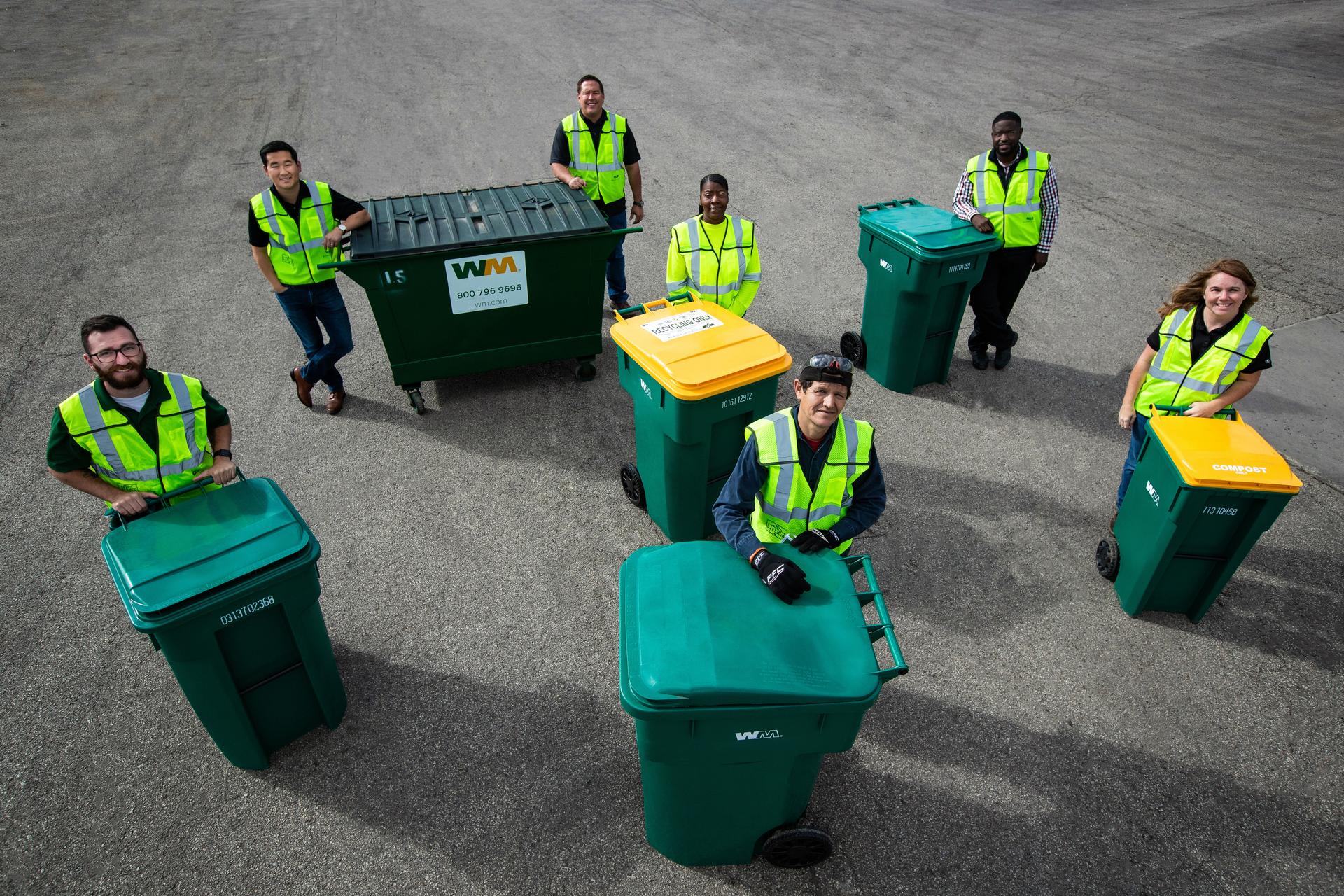
Effective waste disposal is vital for preserving a clean environment and promoting sustainable development. Poor waste disposal practices can result in pollution, degrade natural resources, and exacerbate climate change. When waste is not handled properly, it can spoil soil and water, affecting local ecosystems and the health of populations. Thus, implementing effective waste management strategies is critical for preserving our environment for future generations.
For businesses, effective waste management directly influences operational efficiency and earnings. By minimizing waste, businesses can lower disposal costs and even produce revenue through recycling and composting initiatives. Moreover, organizations that focus on waste management often enjoy a better public image, attracting environmentally conscious customers and adhering to regulations. This not only fosters consumer trust but also enhances employee satisfaction, as staff members tend to favor working for responsible businesses.
Populations also benefit from proper waste management through better public health and higher quality of life. Proper waste management reduces the risk of infestations, the spread of disease, and unpleasant odors. Furthermore, adopting modern waste disposal solutions can result in cleaner streets, parks, and public spaces. By recognizing the importance of managing waste responsibly, we can create healthier, healthier, and more vibrant societies where both people and nature can prosper.
Creative Strategies for Trash Mitigation
As the worldwide community grapples with increasing waste generation, groundbreaking strategies are emerging to tackle this problem efficiently. One such method is the integration of advanced waste management systems. These technologies utilize tools and data analysis to enhance collection routes and schedules, reducing fuel use and operational. Furthermore, intelligent bins fitted with capacity sensors can alert waste management teams when they need cleansing, lessening unnecessary removals and boosting efficiency.
Another innovative approach is the growth of zero waste projects, which seek to rethink systems and products to eradicate the idea of waste fully. This includes designing sustainable wrapping alternatives that are biodegradable or made from recycled materials. Businesses are increasingly adopting circular economy principles, which emphasize recycling materials within production processes. By valuing resource efficiency and sustainable practices, companies can greatly reduce their waste generation while encouraging environmental stewardship.
Composting represents a practical way for individuals and communities to reduce organic waste. By transforming food scraps and yard waste into fertile compost, households can redirect a substantial volume of waste from tips. Additionally, training programs about proper waste segregation and composting techniques can enable individuals to make informed choices, further driving waste generation at the grassroots scale. As awareness grows, these innovative solutions pave the way for a more sustainable future, showing the power of joint action in waste reduction efforts.
Building a Sustainable Tomorrow By Recycling
Recycling has a crucial function in the transition toward a further green future. By transforming refuse into valuable materials, we can significantly diminish the quantity of materials that end up in waste sites. This not only relieves the strain on our recycling systems but additionally conserves earth’s resources by reducing the requirement for virgin materials. Encouraging recycling programs helps foster a culture of eco-consciousness, which people and organizations alike are encouraged to think critically about their consumption patterns and the duration of the items they use.
Furthermore, effective the recycling process can have a profound influence. It provides positions in different industries, including collection to processing of recyclable products. Local economies gain as well when organizations implement sustainable practices, frequently resulting in cost savings and enhanced effectiveness. For Wealth Management Padstow Cornwall , creating a sustainable recycling strategy that includes recycling does not only improves their public image but also aligns with increasing customer expectations for eco-friendly methods. In this way, recycling becomes an important aspect of a firm’s plan to thrive in a challenging industry.
Finally, establishing a green world by recycling calls for partnership among all stakeholders, including authorities, organizations, and the public. Education and knowledge about what may and cannot be be recycled are essential to enhancing participation rates and ensuring successful recycling efforts. As technology advances, innovative recycling approaches are emerging, making the method more efficient and attainable. Through prioritizing recycling within recycling programs, we can contribute greatly to the sustainable economy, where waste is lessened, materials are repurposed, and negative environmental effects are lessened, culminating in a more vibrant environment for our descendants.