Vision in Construction: The Crucial Role of Surveying Services
In the rapid world of construction, anticipation is not just an advantage; it is vital for success. One of the key components of this foresight lies in the vital role of surveying services. As construction projects become more intricate, understanding the land and its features through detailed surveying is imperative. From determining property boundaries to assessing topography, these services lay the groundwork for educated decision-making and effective project planning.
Hiring a qualified surveyor can be the key between a seamless construction process and a challenging one overrun by disputes and setbacks. With their knowledge, surveyors provide invaluable insights that can save time, money, and headaches down the line. In this article, we will explore the various aspects of surveying services, including the justifications to hire a professional, what to expect during a land survey, and how these services can protect your property rights and enhance successful construction outcomes. Whether you are a property developer, homeowner, or contractor, understanding the importance of surveying is important in navigating the construction landscape.
Why Get a Certified Surveyor
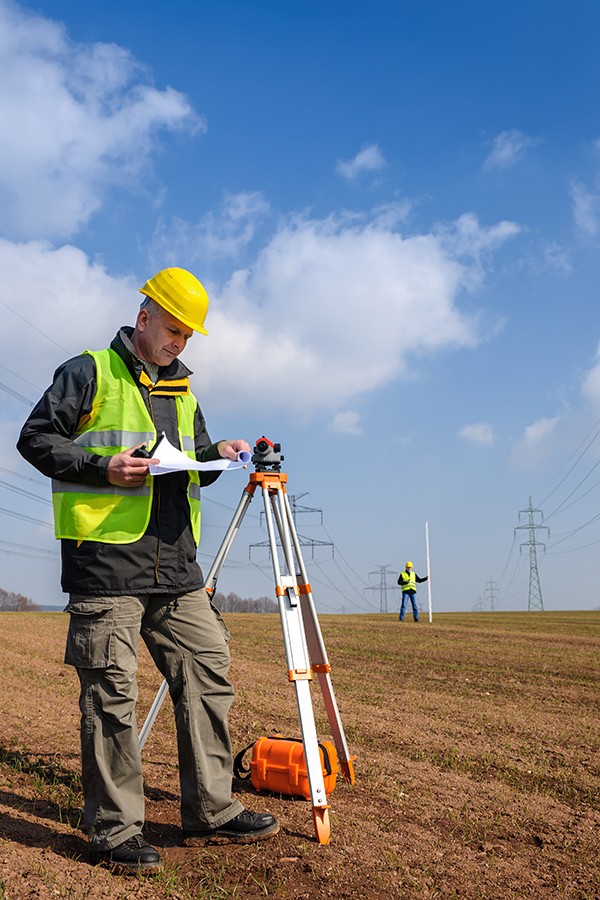
Hiring a certified surveyor is essential for ensuring accurate results in every construction project. Surveyors possess extensive knowledge and training, enabling them to precisely determine land boundaries, measure distances, and create detailed maps. Their expertise lowers the risk of errors that could lead to costly delays or disputes down the line. When you depend on a certified surveyor, you benefit from their understanding of local regulations and standards, ensuring compliance with legal requirements.
In addition to their specialized skills, certified surveyors utilize modern tools and technologies, such as GPS and drone technology, to gather data more efficiently and accurately. These innovations enable higher precision in surveys, which is especially important in complicated projects involving a number of stakeholders. By utilizing advanced technology, surveyors can provide detailed insights that improve project planning and execution.
Furthermore, contracting a qualified surveyor assists protect your investment and property rights. An accurate survey delineates property boundaries, preventing any disputes with neighbors and confirming that construction does not encroach on adjacent properties. This preventive approach helps avoid legal complications and financial losses. In the long run, the services of a qualified surveyor provide invaluable peace of mind for property owners and developers alike.
Forms of Real Estate Surveys
Real estate assessments come in various types, and each one serving specific needs and purposes. Boundary assessments are essential for determining the precise boundaries of a property, ensuring that homeowners and developers know where their land begins and ends. This type of survey is vital in preventing disputes between neighbors over property lines. Another popular type is the topographic survey, which depicts the natural and artificial features of a piece of land, including elevation changes, trees, roads, and various landmarks. This information is essential for planning construction projects, landscaping, and land development.
A location survey is another type that concentrates on determining the positions of developments on a property. This survey validates whether buildings, fences, and other structures are inside the property boundaries as per zoning regulations. It is significant in real estate transactions by providing buyers and lenders with thorough information about the property. Additionally, ALTA surveys are highly detailed surveys often needed for commercial properties. They combine boundary, topographic, and additional data to satisfy the standards created by the American Land Title Association and the National Society of Professional Surveyors, making them crucial for nuanced property transactions.
Understanding these distinct types of surveys can help property owners decide wisely about land use and development. Each survey type has its own specific applications and benefits, and choosing the appropriate survey can save time and money while ensuring conformity with local regulations. Regardless of whether it is for residential, commercial, or industrial purposes, knowing which land survey is appropriate is crucial for success in any construction or development project.
The Role of Surveying in Development
Surveying plays a pivotal role in construction projects by laying the groundwork for effective construction. It provides essential data regarding property lines, land contours, and existing facilities, ensuring that planners and contractors have a comprehensive understanding of the site’s characteristics. This information is crucial for both the design phase and the execution of construction plans, as it helps in identifying potential challenges and opportunities on the land.
Accurate surveying is also integral to maintaining adherence with zoning laws and local regulations. Construction projects often require a range of permits that hinge on precise calculations and defined property lines. Land surveyors collaborate closely with designers and engineers, contributing detailed site analyses that inform the planning and compliance processes. This collaboration helps streamline project timelines and reduces the risk of disputes arising from misunderstandings about property boundaries or site limitations.
Finally, surveying services enhance safety and efficiency during construction. By providing Land Surveyors Royal Wootton Bassett Wiltshire staking and layout services, surveyors ensure that buildings and structures are positioned correctly, following the planned designs. This reduces costly errors and rework, ultimately saving time and resources. With accurate surveys guiding every stage of construction, project stakeholders can proceed with greater confidence, knowing that the foundation of their work is built on precise measurements and trustworthy data.